
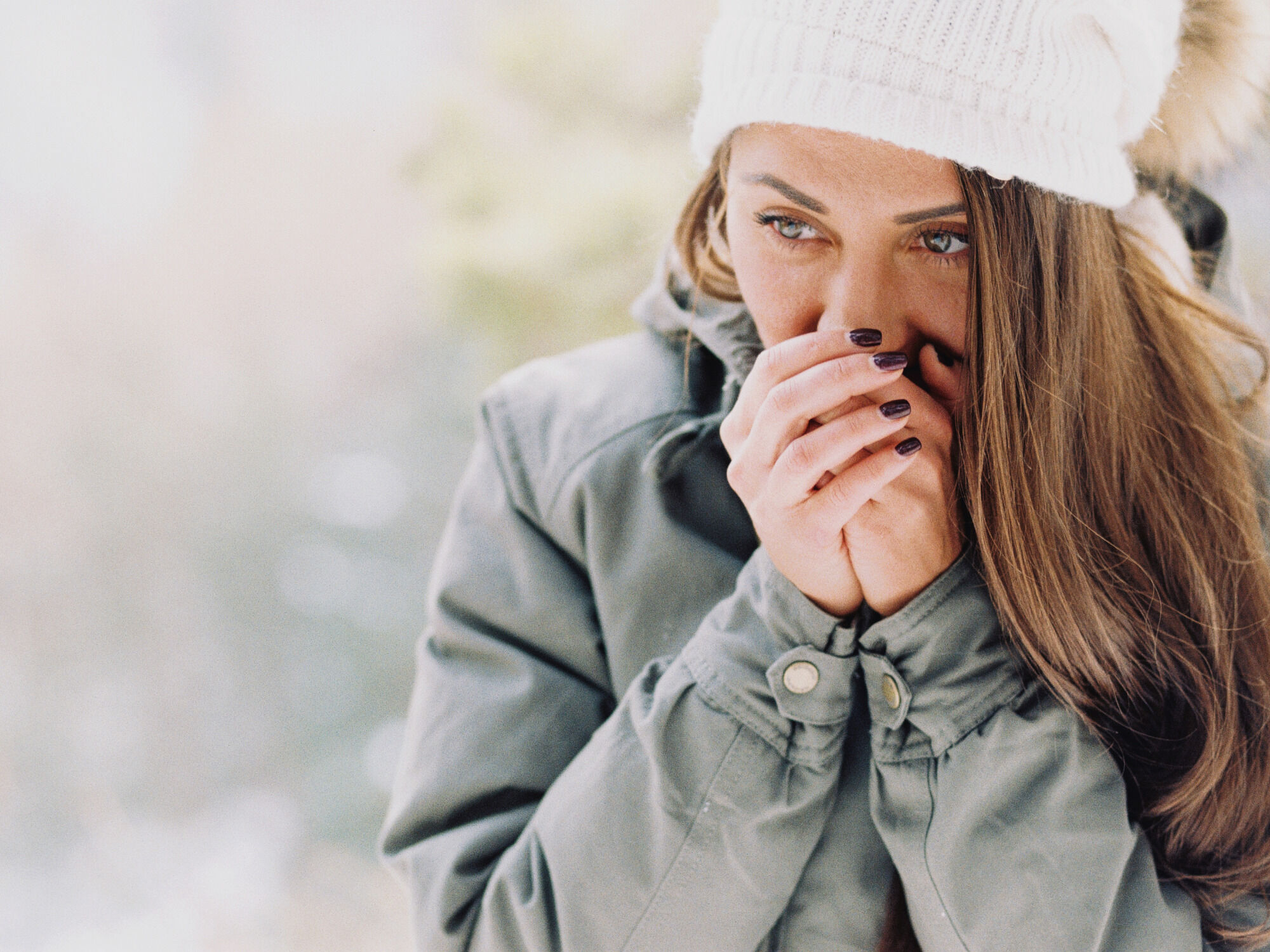
Have you ever noticed that you’re always the first one reaching for an extra layer around the campfire while your male camping companions seem perfectly comfortable? Or found yourself cutting outdoor adventures short because you just can’t shake that bone-deep chill? You’re not imagining it – and you’re definitely not alone. There’s actual science behind why women feel colder than men, especially during outdoor activities like camping.
Understanding these biological differences isn’t just fascinating; it’s essential knowledge that can transform your outdoor experiences. From hormonal fluctuations to differences in muscle mass and circulation, your female body processes and retains heat differently than men’s bodies do. But here’s the empowering part: once you understand the “why” behind feeling cold, you can take targeted action to stay warmer, more comfortable, and fully engaged in your outdoor adventures. Let’s dive into the science and discover practical solutions that work with your body’s unique thermal needs.
Why Women’s Bodies Are Wired to Feel Colder
The Biological Basics
The fundamental reason women feel colder than men comes down to several key physiological differences. On average, women have a lower metabolic rate than men, meaning they generate less internal heat. This isn’t a flaw – it’s actually an evolutionary adaptation. Women’s bodies are designed to preserve core temperature to protect vital organs, particularly reproductive organs, which means blood flow is redirected away from extremities like hands and feet when temperatures drop.
Women also typically have less muscle mass than men, and muscle tissue is one of the body’s primary heat generators. Even at rest, muscles produce heat through cellular processes. With less muscle mass, women have fewer internal “furnaces” working to keep them warm. Additionally, women generally have a higher percentage of body fat, which might seem like it would provide better insulation. However, fat tissue has less blood flow than muscle tissue, making it less effective at generating and distributing heat throughout the body.

Hormonal Influences on Temperature Regulation
Your menstrual cycle plays a significant role in how cold you feel during outdoor activities. Estrogen and progesterone levels fluctuate throughout your cycle, directly affecting your body’s thermostat. During the luteal phase (after ovulation), progesterone levels rise, which can actually increase your core body temperature slightly but may make you feel colder in your extremities.
Estrogen affects blood vessel dilation and constriction. When estrogen levels are lower, blood vessels in your hands and feet may constrict more readily, reducing blood flow to these areas and making them feel colder faster. This is why some women notice they feel colder during certain times of their cycle, particularly during menstruation when estrogen levels drop.
The Circulation Factor: Why Your Hands and Feet Get Cold First
Women’s circulatory systems prioritize differently than men’s when faced with cold temperatures. This evolutionary adaptation, sometimes called the “diving reflex,” causes blood vessels in the extremities to constrict quickly when core temperature begins to drop. While this protects vital organs, it means your hands and feet – crucial for camping tasks like setting up tents, starting fires, or preparing meals – become uncomfortably cold much faster.

This circulation difference also affects how quickly you warm up once you’re in a warmer environment. Men’s circulation tends to return to normal more quickly, while women may continue to feel cold in their extremities even after their core temperature has normalized. This is why you might still feel chilly around the campfire long after your male camping partners have shed their jackets.
Surface Area and Heat Loss
Women typically have a higher surface area-to-body mass ratio than men, meaning there’s more skin surface relative to body volume from which heat can escape. In outdoor environments with wind, this difference becomes even more pronounced. Wind strips away the thin layer of warm air that surrounds your body, and with more surface area exposed, women lose heat more rapidly through convection.
This is particularly relevant for camping because outdoor environments rarely offer the controlled conditions of indoor spaces. Even on seemingly warm summer evenings, temperatures can drop significantly, and any breeze can accelerate heat loss from your body’s surface.
Medical Conditions That Amplify Cold Sensitivity
Several medical conditions disproportionately affect women and can make outdoor temperature regulation even more challenging. Understanding these can help you better prepare for camping trips and recognize when you might need additional warmth strategies.
Thyroid Disorders
Hypothyroidism, which affects women five to eight times more often than men, significantly impacts your body’s ability to regulate temperature. Your thyroid controls your metabolic rate, and when it’s underactive, your body produces less heat overall. Women with thyroid conditions often report feeling cold even in moderate temperatures, making camping comfort particularly challenging.
Anemia and Iron Deficiency
Iron deficiency anemia is much more common in women, particularly those of childbearing age. Iron plays a crucial role in oxygen transport throughout your body, and when you’re deficient, your circulation becomes less efficient. This means less warm blood reaches your extremities, making you feel colder faster and longer during outdoor activities.
Raynaud’s Disease
This condition, which affects women nine times more often than men, causes blood vessels in fingers and toes to constrict excessively in response to cold or stress. For women with Raynaud’s, even mildly cool camping conditions can trigger painful episodes where extremities become numb and discolored.
Practical Solutions: Working With Your Body’s Thermal Needs
Understanding why you feel cold is only the first step – the real power comes in applying this knowledge to enhance your camping experiences. The key is choosing gear and strategies that work with your body’s natural thermal regulation rather than against it.
Layer Strategically, Not Just More
Traditional layering advice often focuses on adding more layers, but for women, the type and placement of layers matters more than quantity. Your core needs consistent warmth to prevent your body from redirecting blood flow away from extremities. This means investing in base layers that wick moisture while maintaining insulation, and mid-layers that trap warm air close to your body.
However, traditional camping blankets and even many outdoor garments fail women because they don’t account for the rapid heat loss that occurs when you move around camp. Every time you stand up, adjust your position, or tend to the fire, you lose the warm microclimate you’ve built up around your body.
The Science Behind Effective Thermal Wraps
This is where understanding convective heat loss becomes crucial. Convection occurs when moving air strips away the warm layer surrounding your body. Traditional blankets create gaps and openings that allow this warm air to escape, forcing your body to constantly regenerate heat. Research shows that women lose heat through convection up to 25% faster than men due to differences in circulation and surface area.
Effective thermal solutions for women need to create a sealed environment that prevents convective heat loss while remaining flexible enough for movement. The most effective designs use the laws of thermodynamics to trap and recirculate your own body heat rather than relying on external heat sources or bulky insulation that restricts movement.
Engineering tests demonstrate that properly designed thermal wraps can retain at least 500% more heat compared to traditional camping blankets by preventing the convective heat loss that particularly affects women’s thermal comfort. This isn’t just about staying warm – it’s about maintaining the energy and comfort needed to fully enjoy your outdoor experiences.

Optimizing Your Body Heat Production
Beyond external gear, you can work with your body’s natural heat production systems to stay warmer during camping trips. Since muscle tissue generates heat, gentle movement and stretching can help maintain circulation and warmth. However, this needs to be balanced with conservation – too much activity can actually increase heat loss through perspiration and increased air circulation around your body.
Nutrition also plays a crucial role in thermal regulation. Your body needs fuel to generate heat, and women’s metabolic needs during cold exposure may be higher than men’s. Complex carbohydrates provide sustained energy for heat production, while staying hydrated ensures efficient circulation. Dehydration can significantly impair your body’s ability to regulate temperature and maintain blood flow to extremities.
Timing and Temperature Awareness
Pay attention to your body’s natural temperature rhythms. Core body temperature naturally fluctuates throughout the day, typically reaching its lowest point in early morning hours. This is when you’ll feel coldest and when effective thermal gear becomes most critical. Planning your camping activities around these natural rhythms – and ensuring you have adequate warmth solutions during vulnerable times – can dramatically improve your outdoor comfort.
The Future of Women-Focused Outdoor Gear
The outdoor industry is finally beginning to recognize that women’s thermal needs are different, not deficient. Gear designed specifically for women’s physiology – accounting for differences in circulation, heat distribution, and body geometry – represents a significant advancement in outdoor comfort and safety.
Effective solutions combine scientific understanding of women’s thermal regulation with practical design that doesn’t restrict movement or require constant adjustment. The best thermal gear for women creates a microenvironment that works with your body’s natural heat distribution patterns while remaining versatile enough for the varied activities that make camping enjoyable.
Products like the Mozy wearable thermal wrap exemplify this approach, using convective heat loss prevention technology specifically tested for effectiveness in women’s thermal regulation. By sealing in your own body heat and preventing the rapid heat loss that particularly affects women, such innovations allow you to stay comfortable and engaged in outdoor activities without the bulk and restrictions of traditional layering systems.
Embracing Your Outdoor Adventures
Understanding the science behind why you feel cold doesn’t mean accepting limitations – it means gaining the knowledge to overcome them effectively. Your female physiology isn’t a barrier to outdoor enjoyment; it’s simply a different set of parameters that require thoughtful solutions.
With the right understanding and gear choices, you can transform those abbreviated camping trips into full, comfortable outdoor experiences. No more being the first to retreat to the tent or missing out on late-night campfire conversations because you’re too cold to enjoy them.

The key is working with your body’s natural thermal regulation rather than fighting against it. Choose gear that accounts for women’s specific heat loss patterns, understand your personal thermal rhythms, and don’t hesitate to prioritize your comfort – it’s not being “high maintenance,” it’s being scientifically informed.
Your outdoor adventures should be limited only by your sense of exploration, not by feeling too cold to fully participate. Armed with this knowledge and the right thermal solutions, you can confidently embrace every aspect of camping, from sunrise coffee to starlit conversations around the fire.
Ready to experience the difference that science-backed thermal gear can make in your outdoor adventures? Learn more about how Mozy’s convective heat loss prevention technology can keep you 5X warmer than traditional blankets while maintaining the freedom of movement that makes camping enjoyable.

Mozy Sponsored Post
Thermic Innovations LLC is the company behind Get The Mozy, creators of the revolutionary Mozy Wearable & Weatherproof Thermal Wrap: a game-changing solution for staying warm and dry during cold climate activities.


Leave a Reply