
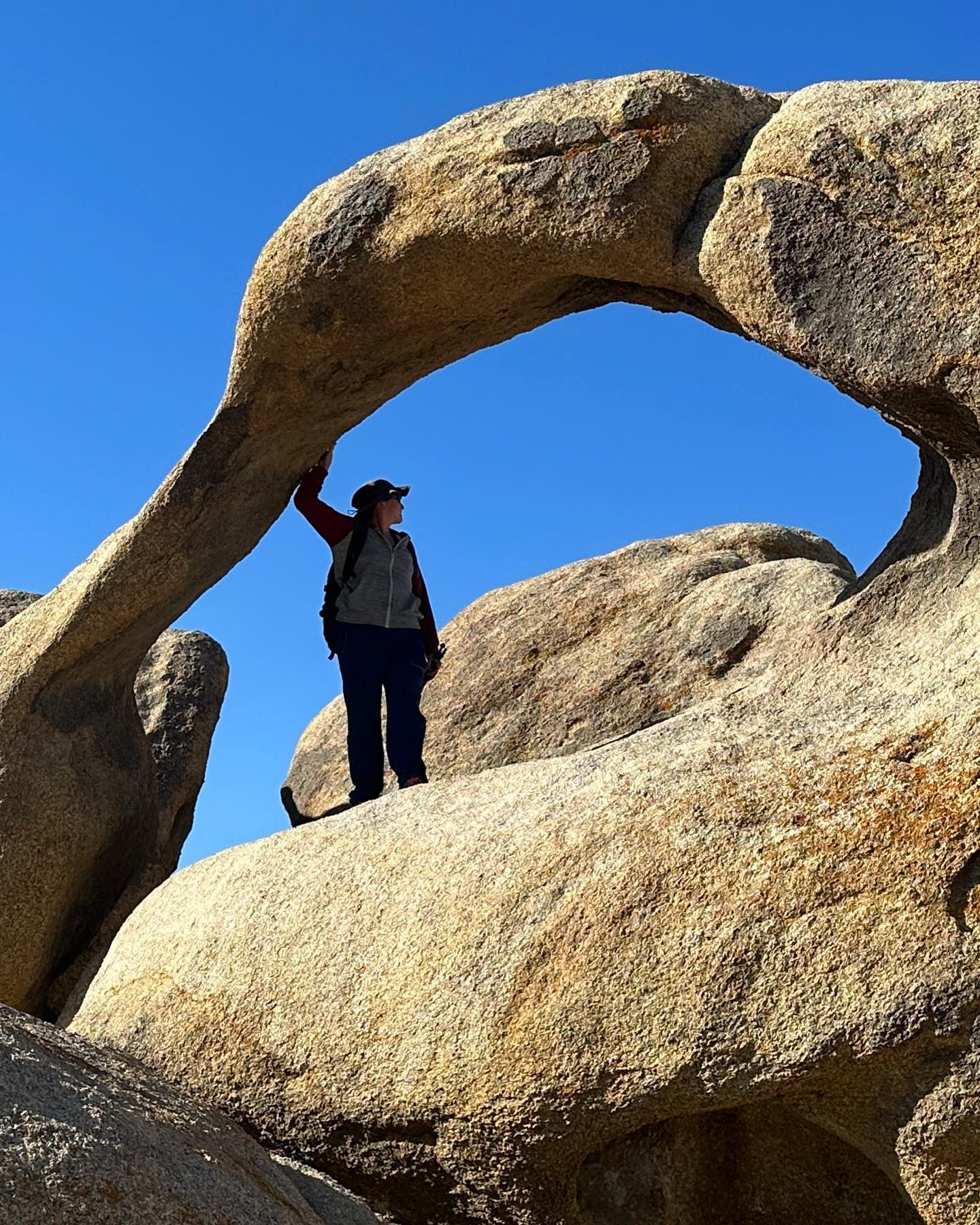

The first time I went on a solo camping trip through the Eastern Sierra, I was bursting with excitement—and completely paralyzed by the logistics. Gear, meals, my car, safety—I didn’t know where to begin. I made endless lists, triple-checked them, and still worried I’d forgotten something. YouTube videos offered inspiration, but only added more questions and overthinking.
But that trip taught me a crucial lesson: adventure isn’t about perfection—it’s about feeling confident enough to enjoy the journey and, most importantly, having fun. Since then, I’ve learned how to plan smarter, spending less time stressing and more time in nature—my ultimate happy place. That’s why I started creating my own travel guides: to make planning easier for others—you can grab yours at the end of this post.
Acknowledging the Overwhelm
Planning a road trip or camping adventure can feel like juggling a hundred tasks at once. Gear to pack, meal planning, route mapping, and safety considerations can quickly become overwhelming. Many women—first-time campers, solo travelers, or busy moms—feel stuck before they even leave the driveway. And that’s completely normal. The good news? You don’t have to do it all at once, and it doesn’t have to be perfect to have an amazing trip.
Work Smarter, Not Harder
The secret to a successful trip isn’t a perfectly executed itinerary—it’s smart planning. By breaking the process into simple, manageable steps, you can reduce stress and make room for the little moments that make trips truly memorable. You don’t have to overthink or overpack to have an amazing adventure. In fact, leaving space for spontaneity often leads to the best discoveries. I love taking an unplanned detour—veering off my mapped route just a bit—and it almost always leads to something unexpected and wonderful. Remember: you don’t need to plan every single detail to have an unforgettable trip.

Step-by-Step Tips for Planning Your Trip
Gather Inspiration
Start by browsing travel blogs, videos, or even Instagram. Seeing photos of national parks, scenic drives, or unique campgrounds can spark ideas you might not have considered. I have a Google Maps account with more pins than a Christmas tree! Every time I spot a place I want to visit, I pin it—and revisit those pins when planning a new trip. On a recent cross-country adventure, those pins finally came in handy, as I stopped at many of them along the way.
If you’re looking for ideas, my Miles and Hikes YouTube channel is full of road trip itineraries, camping and destination videos.
Define Your Interests
Are you seeking adventure, relaxation, or a little of both? Hiking, exploring, sightseeing, or simply lounging by a lake—whatever you enjoy most should guide your choices. Don’t feel pressured to chase what’s trending or what everyone else is posting about; focus on the experiences that truly excite you, and your trip will be far more meaningful and fun.
Research Destinations
Once you have a rough idea of where you want to go, start digging a little deeper. Check out parks, trails, points of interest, and local spots worth visiting—cafés, diners, or quirky roadside attractions. For example, if you’re passing through national forests, look up hiking trails or scenic viewpoints.

Determine Travel Time
It’s helpful to calculate driving distances and estimated times between destinations to get a rough idea, but in my experience, you should always add at least an extra hour to your phone’s estimated time. And don’t forget to factor in stops for gas, meals, stretching, and sightseeing—no one enjoys a day of nonstop driving.
Set a Realistic Budget
Include gas, lodging, meals, activities, and a small buffer for unexpected expenses. Even a simple road trip can surprise you with extra costs if you don’t plan ahead—speaking from experience, a freak car accident added both an unexpected detour and extra costs on one of my solo trips. If interested in seeing how I handled it, you can watch the story here.

Book Accommodations
Reserve campsites, hotels, or vacation rentals well in advance, especially during popular seasons.
Consider National Park Passes
For readers in the U.S., if you’re visiting multiple national parks, the “America the Beautiful” pass can save money on entrance fees and simplify planning. If you’re traveling elsewhere, check for similar passes or multi-park discounts in your country.
Map Your Route
Google Maps is an excellent tool to help you map your route, and my preferred one. You can easily discover interesting stops, and estimate travel times. I also recommend downloading offline maps for areas with spotty or nonexistent cell service—trust me, it can save a lot of stress when you’re deep in the wilderness or on a long stretch of road with no service.
Create a Detailed Itinerary

Outline daily stops, meals, and sightseeing, but avoid overloading each day. For example, two scenic stops in the morning and a short hike in the afternoon can leave room for relaxing, or another unexpected stop. Your itinerary should be a guide, not something carved in stone.
Prepare Your Vehicle and Yourself
Make sure your car is in good working order—check tire pressure, oil, brakes, and fluids. A little maintenance beforehand can prevent stressful breakdowns on the road. It’s also wise to carry essentials like a tire inflator, jumper cables, and a basic tool kit for unexpected situations.
Organize Your Car
Pack logically, keeping essentials within easy reach. Separate items into categories: gear, food, and personal items. This reduces stress when you need something quickly.
Pack for Activities
Bring clothing and gear appropriate for your planned adventures—hiking boots, swimsuits, or rain jackets.
Stay Flexible

Plans may change, and that’s okay. Unexpected detours often become favorite memories.
Shortcut for Stress-Free Planning
After years of solo road trips and camping adventures, I started creating guides and checklists to make planning faster and less stressful—especially for women who just want to get out there without spending hours researching. You can grab these digital guides at my Online Store and use promo code ROADTRIP50 at checkout for an exclusive Camping For Women reader-only 50% discount, valid for two months!
Final Thoughts
Planning an outdoor adventure doesn’t have to be overwhelming. By breaking it into manageable steps, preparing thoughtfully, and leaving room for spontaneity, you can ensure your trip is enjoyable, stress-free, and memorable. Remember, the perfect trip isn’t about following every checklist—it’s about feeling prepared, confident, and ready to embrace the journey. Smart planning is the key to stress-free fun and unforgettable experiences.

Your thoughts to plan the perfect road trip or camping escape?
What are some tips you would add? What do you think is important? Please share your thoughts in the comments below.

Sponsored Post Miles and Hikes
Our Mission
To empower women—especially those 40 and up—to feel confident, safe, and inspired exploring the outdoors. Through soulful, bilingual content and down‑to‑earth guidance, Miles and Hikes shows that you don’t have to rough it to reconnect with nature and yourself.



Leave a Reply