
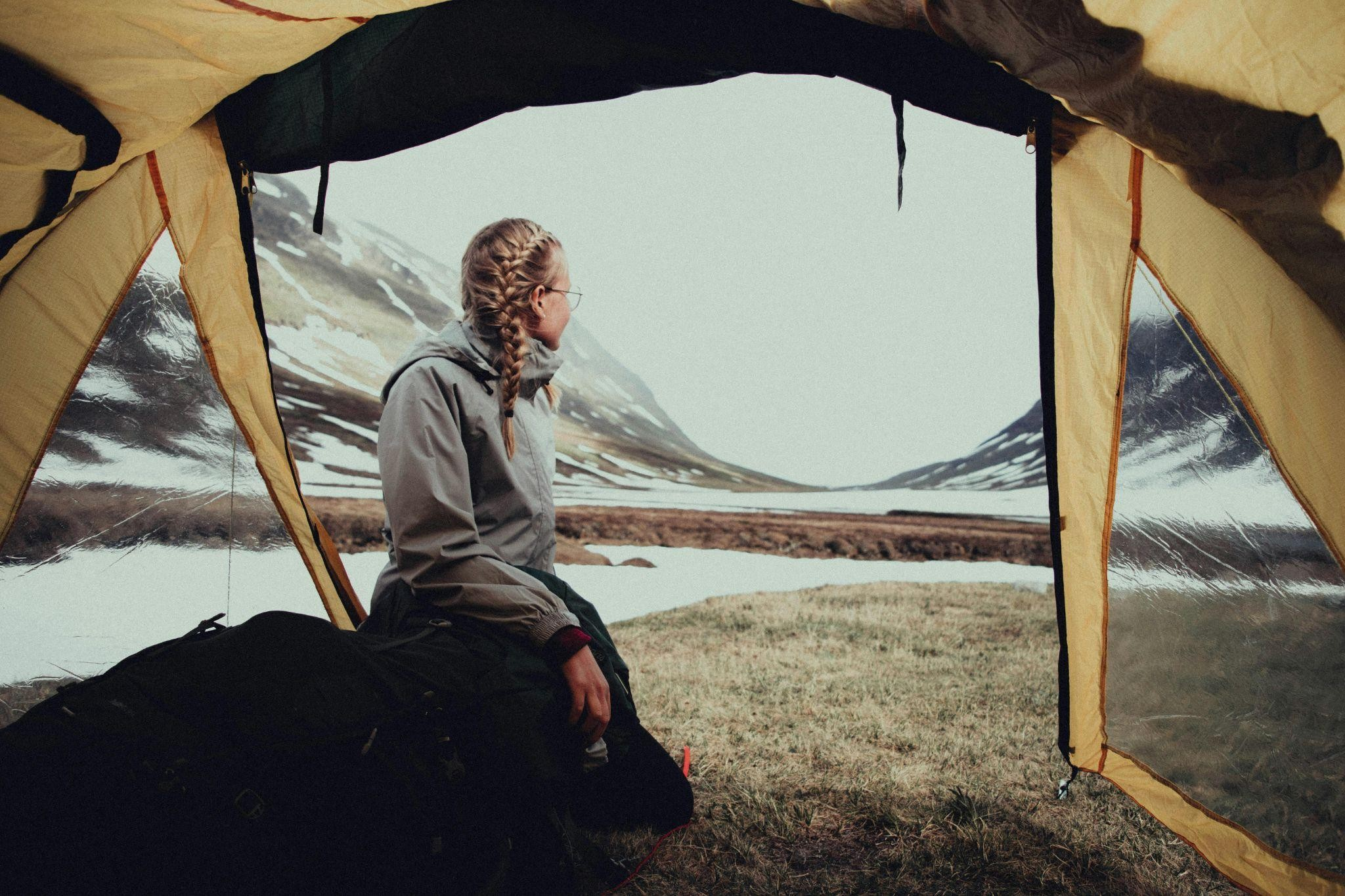

There’s a quiet kind of confidence that comes from heading into the wilderness alone. No group schedule, no chatter, just you and the landscape. But solo camping isn’t about proving toughness; it’s about preparation, awareness, and learning to rely on your own skills.
When you’re on your own, you don’t have the safety net of a partner to share responsibilities or spot mistakes. Every small task, from pitching your tent to lighting your stove, becomes an exercise in self-sufficiency. And that’s what makes it so rewarding. When done right, solo camping builds independence, resilience, and a deep connection with nature.
Here’s a deep dive into the essential skills every solo camper should master, whether you’re planning your first solo overnight or prepping for a multi-day backcountry adventure.
1. Navigation: Your Most Important Survival Tool
Even in the era of smartphones and GPS watches, traditional navigation skills remain non-negotiable. Batteries die, signals drop, and technology can fail at the worst moments.
Start by mastering map reading. The contour lines, elevation markings, and scale ratios tell you far more than a blue dot on a screen ever could. Learn how to align your compass with true north, plot bearings, and triangulate your position using landmarks.
For long treks, carry both a topographic map and a reliable compass, and practice using them before your trip. Knowing how to read terrain and identify landmarks ensures that even if you lose your device or trail markers, you can still find your way back safely.
Pro tip: mark potential water sources and campsites on your map before you go. This pre-trip planning can save hours of stress in the field.
2. Camp Setup and Shelter Management
Setting up a tent might seem straightforward, but solo camping requires efficiency and foresight. Without an extra set of hands, even a mild breeze can turn tent pitching into a challenge.
Practice at home several times before your trip. Familiarize yourself with your tent’s poles, rainfly, and guy lines. Learn to stake it securely using natural windbreaks and terrain features. In rocky or sandy areas, pack alternative anchors like sand stakes or cord loops that can tie around boulders.
If you’re hammock camping, learn how to find ideal anchor points, adjust sag, and set up a tarp for rain protection.
A well-organized camp setup also matters. Keep essentials like your headlamp, knife, and first-aid kit within arm’s reach of your sleeping area. Efficient organization saves time and reduces stress in emergencies.
3. Fire Building and Cooking Skills

Fire-building is both a comfort and a survival skill. You’ll use it for warmth, cooking, and signaling if needed. Yet, wet wood and wind can make this deceptively difficult.
Learn how to:
- Select the right site: Choose flat ground away from brush and low-hanging branches.
- Gather three types of fuel: tinder (dry grass, bark), kindling (thumb-sized sticks), and fuelwood (wrist-sized logs).
- Build structure: The “teepee” and “log cabin” methods are simple and effective.
- Use a ferro rod or waterproof matches, not just a lighter, for backup ignition.
For cooking, practice one-pot meals before you go. Choose recipes that require minimal cleanup and ingredients that don’t spoil easily, like couscous, lentils, or dehydrated vegetables.
And always respect local fire restrictions. Many areas now require camp stoves instead of open flames during dry seasons.
4. Water Purification and Hydration Management
Dehydration is one of the most common dangers in solo camping. Even experienced campers underestimate how much water they’ll need.
You should drink roughly 0.5 to 1 liter of water per hour during moderate activity, according to the National Park Service. Always carry multiple purification options such as a pump filter, UV purifier, or iodine tablets, and never rely on one system alone.
Avoid drinking directly from streams or lakes, no matter how clean they look. Waterborne pathogens like Giardia can cause severe illness and ruin your trip.
Plan your route with water sources in mind, and if camping in arid regions, cache water ahead of time or bring enough for your entire trip.
5. First Aid and Emergency Preparedness

When you’re solo, even a minor injury can escalate quickly. Knowing how to handle common issues from blisters to sprains is critical.
Pack a compact but comprehensive first-aid kit and learn how to use every item in it. Key supplies should include:
- Adhesive bandages and medical tape
- Antiseptic wipes and antibiotic ointment
- Elastic bandages for sprains
- Moleskin for blisters
- Tweezers and a small blade
- A personal emergency beacon (PLB) or satellite messenger
Taking a basic wilderness first-aid course can dramatically improve your confidence. These courses teach essential skills like splinting, wound care, and recognizing signs of dehydration or hypothermia.
6. Situational Awareness and Self-Defense
Situational awareness means being tuned in to your environment. It’s not about paranoia, it’s about observation. Know your surroundings, listen to your instincts, and make decisions proactively.
Learn to identify animal tracks and recognize fresh signs of wildlife, such as scat or claw marks. Secure food properly to avoid attracting animals. Use bear canisters or hang your food bag at least 12 feet off the ground and 6 feet from the trunk.
If you’re camping in remote or high-risk areas, consider practicing sports shooting or other defensive skills responsibly. Even if you never need to use them, the discipline teaches situational focus and safety awareness, both valuable traits for solo adventurers.
Carry a whistle or air horn as a non-lethal deterrent. In most encounters, noise and confidence are better defense tools than confrontation.
7. Weather Reading and Risk Management
The weather can change faster than your cell service. Solo campers should be able to read natural indicators such as wind direction, cloud formations, and temperature shifts to anticipate weather changes.
A red sky at night often suggests stable air and calm weather, while a sudden temperature drop or darkening clouds can signal an incoming storm. Carry a barometric altimeter or compact weather radio for additional insights.
When in doubt, always err on the side of caution. If you’re unsure about conditions, delay your hike or break camp early. Being proactive about weather risks is far safer than reacting too late.
8. Mental Resilience and Comfort with Solitude
Solo camping isn’t just a physical challenge, it’s a mental one. The silence, isolation, and unpredictability can trigger anxiety, especially at night.
Develop routines to stay grounded:
- Keep a journal or record your thoughts by the fire.
- Practice mindfulness or breathing exercises.
- Stay busy. Set small goals like collecting firewood or identifying constellations.
Solo camping teaches you to find comfort in your own company. The confidence gained from solving problems alone, whether that’s fixing a tent pole or navigating out of a wrong turn, translates into resilience far beyond the campsite.
Final Thoughts
Solo camping is equal parts skill and mindset. The more you prepare, the freer you’ll feel once you’re out there. By learning navigation, first aid, fire-building, and situational awareness, you’re not just staying safe, you’re earning the right to move through nature with quiet confidence.
Each trip will sharpen your instincts and deepen your connection to the outdoors. And when you wake up to a sunrise in total solitude, you’ll understand why solo camping isn’t just about being alone, it’s about discovering how capable you really are.
Your views on skills every solo camper should learn
Are there any other skills you think need to be added to this list that you would say should be a “must” for solo camping? Please share your thoughts in the comments below.

Kathleen Nialla
Kathleen Nialla is a curious explorer who finds joy in the simplicity and wonder of the outdoors. Whether it’s pitching a tent under the stars, wandering unfamiliar trails, or just slowing down in nature, she’s passionate about experiences that reconnect us to ourselves and the world around us. Kathleen enjoys sharing practical tips and reflections that encourage more women to feel confident, prepared, and inspired to get outside no matter where they’re starting from.




Leave a Reply