
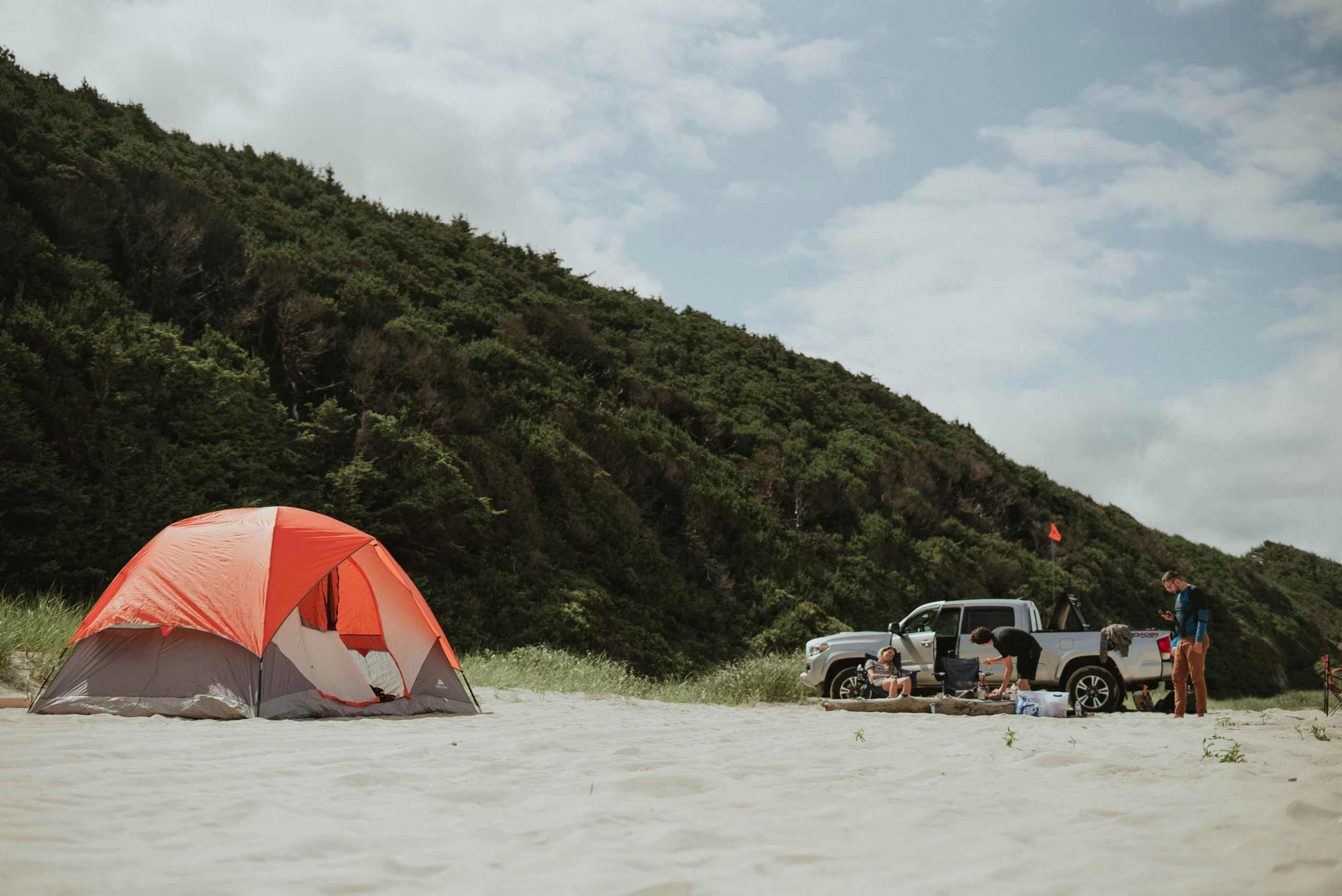
Camping road trips are supposed to be about freedom, adventure, and spending more time outdoors. Unfortunately, many travelers end up spending the majority of their vacation behind the wheel instead of actually enjoying nature. Endless highway miles, traffic, fatigue, and constant stops can quickly turn an exciting camping trip into an exhausting experience.
The good news is that there are several ways to make your camping road trip far more enjoyable. If you want to improve your next camping adventure, here are some practical ways to camp more and drive less.
Choose Fewer Destinations and Stay Longer
One of the biggest mistakes campers make is trying to visit too many places in a single trip. While it can be tempting to squeeze five national parks into one week, constantly packing up camp and driving long distances often becomes stressful and tiring. Instead, focus on fewer destinations and allow yourself more time at each campsite. Staying two or three nights in one location gives you the chance to actually enjoy the environment rather than rushing through it. A slower-paced camping trip often ends up being far more memorable than one spent racing from one campground to another.
Plan Scenic Routes Instead of Fastest Routes
Interstates may save time, but they often take much of the enjoyment out of a camping road trip. Scenic highways and backroads can dramatically improve the overall experience by turning the drive itself into part of the adventure. Routes that pass through forests, mountains, lakes, and small towns provide opportunities for spontaneous stops and hidden discoveries along the way.
Some travelers even build their trips around scenic drives rather than destinations alone. This approach can make the journey feel more relaxing and rewarding instead of simply becoming transportation between campsites.

Avoid Driving Fatigue
Long road trips can become physically and mentally exhausting, especially when towing trailers or carrying heavy camping gear. Fatigue not only reduces enjoyment but also increases the risk of accidents. To reduce stress during your trip:
- Limit daily driving hours
- Rotate drivers when possible
- Take frequent breaks
- Stay hydrated
- Avoid driving late at night
- Schedule rest days between long travel segments
Many experienced campers now prioritize comfort and energy conservation over covering large distances quickly. The less exhausted you feel, the more you can actually enjoy your time outdoors.
If you are planning a cross-country camping trip, one creative way to reduce driving fatigue is by shipping your vehicle for part of the journey. Using experienced Memphis car transporters can help you avoid spending days on long highway drives before your actual camping adventure even begins, and ensure you don’t get driver fatigue. For campers planning extended road trips, vehicle transportation can be an excellent way to maximize adventure while minimizing exhaustion.
Choose Campgrounds With Activities Nearby
Another great way to reduce driving during your trip is by selecting campgrounds that already offer nearby activities. Some camping areas offer direct access to hiking trails, lakes, kayaking, fishing, biking, and scenic viewpoints, without requiring additional daily driving. This creates a much more relaxing camping experience because you can simply leave your vehicle parked and enjoy the surroundings immediately.
Make the Journey More Enjoyable
Camping road trips should leave you feeling refreshed, not exhausted. By simplifying your travel plans, reducing long-distance driving, and spending more time immersed in nature, you can create a far more enjoyable adventure.

Your thoughts planning your next camping road trip?
Are there any additional ideas you would add to the above? Please share in the comments below, and while you compare notes, you can also check out other road trip articles here.

Lucy Parks
There’s not much Lucy doesn’t know about her two passions: fashion & interior design! Having worked in the fashion industry for six years, she has a keen eye for all things on-trend, with a focus on new developments in both the interior design world and on the world’s catwalks.


Leave a Reply