
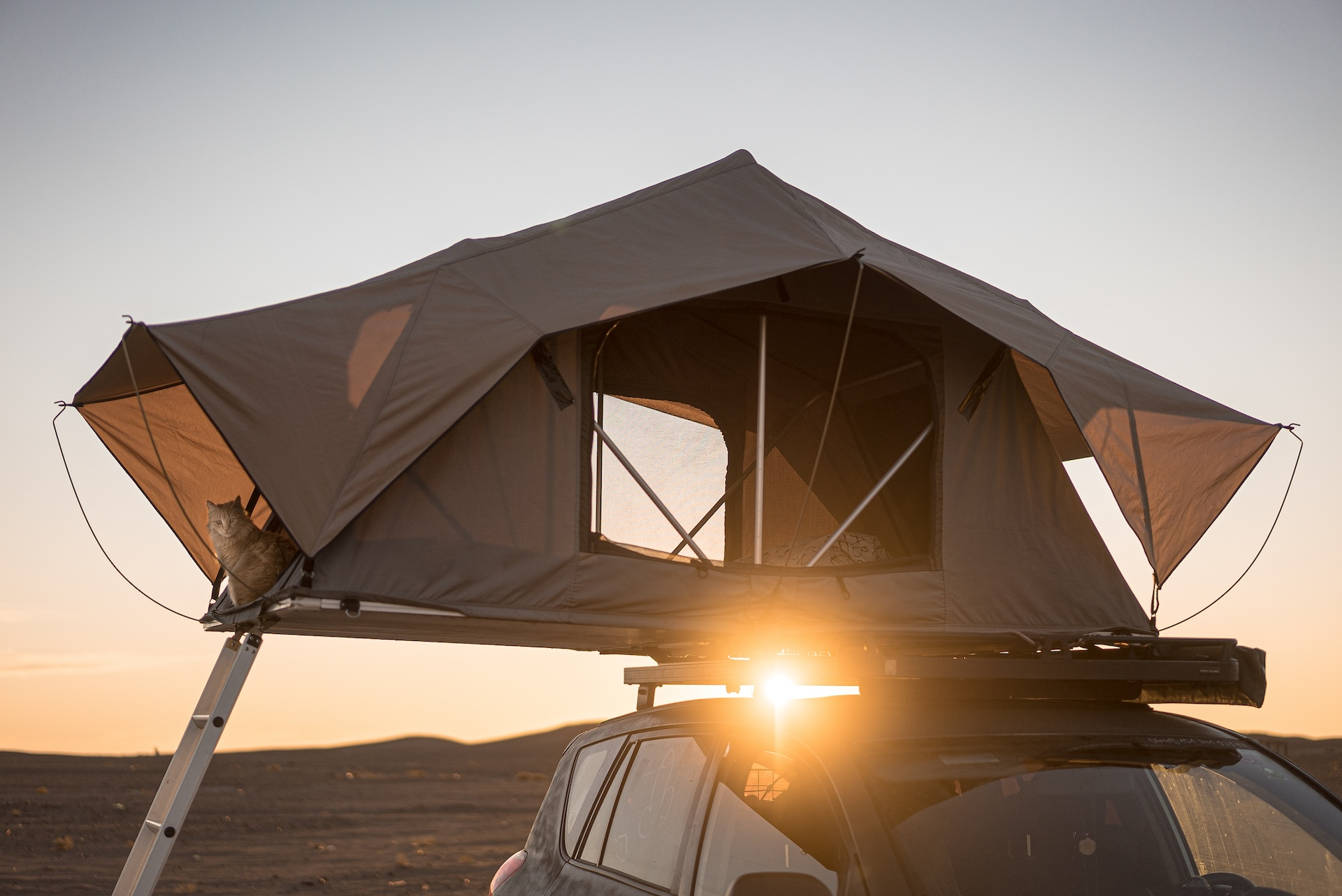
A rooftop tent can completely change the way you camp. Instead of rolling out a swag, fighting with poles or trying to find a perfectly flat patch of ground, you can set up above the dirt, sand and uneven terrain. For weekend trips, touring, fishing getaways and 4WD adventures, rooftop tents can be a brilliant upgrade.
But for first-time campers, buying a rooftop tent is not always as simple as picking the one that looks best online. The wrong choice can make your vehicle harder to drive, your campsite slower to set up, your fuel use higher and your camping trips less comfortable than expected.
Before you spend the money, it is worth understanding the common mistakes people make when buying their first rooftop tent.
Choosing Based on Looks Alone
Rooftop tents look impressive, especially in photos. A sleek hard shell tent on a well-built 4WD can make any setup look adventure-ready. But appearance should never be the only reason you choose a tent.
The best rooftop tent for you depends on how you camp, how often you travel, how many people are sleeping in it, what vehicle you drive and how much weight your roof can safely carry.
A tent can look perfect online but still be wrong for your setup. It may be too heavy, too bulky, too small, too slow to pack away or not suited to the weather you camp in.

Looks matter, but practicality matters more.
Not Checking Roof Load Ratings
This is one of the biggest mistakes first-time buyers make. Before buying a rooftop tent, you need to know your vehicle’s roof load limits.
There are two important ratings to understand. The dynamic roof load is the weight your roof can carry while driving. The static roof load is the weight your roof can support when the vehicle is parked.
The rooftop tent, roof racks, mounting hardware and any bedding stored inside all add weight. If you exceed the vehicle or rack rating, you can create safety issues, damage your roof or affect handling.
Always check the vehicle manufacturer’s specifications and make sure your roof rack system is rated for the tent.
Forgetting About the Weight of the Tent
Some rooftop tents are much heavier than people expect. Hard shell models are often heavier than soft shell models, although this varies depending on design and materials.
Extra weight on the roof can affect the way your vehicle drives. It can increase body roll, change handling, reduce fuel economy and make the vehicle feel less stable on rough tracks.
Weight also matters if you ever need to remove the tent. Some rooftop tents are awkward and heavy enough that you will need two or more people to lift them safely.
Before buying, think about whether the tent will stay on your vehicle permanently or only be fitted for trips. If you plan to remove it often, weight becomes even more important.
Buying Too Small
It is easy to underestimate how much sleeping space you need. A rooftop tent that technically sleeps two people may feel cramped once you add pillows, sleeping bags, blankets and personal items.
If you are camping with a partner, children or a pet, think carefully about real-world comfort. A slightly larger tent may make a big difference, especially on longer trips.
Also consider height inside the tent. Some people are happy with a low-profile sleeping space, while others want enough room to sit up comfortably.
If possible, inspect the tent in person before buying. Climbing inside tells you much more than product dimensions on a website.

Buying Too Big
The opposite problem can also happen. A large rooftop tent may feel comfortable at camp, but it can be heavy, bulky and harder to manage on the vehicle.
A bigger tent may overhang the roof, create more wind drag and take longer to pack down. It may also limit where you can mount awnings, solar panels, recovery boards or other accessories.
First-time campers sometimes buy the biggest tent they can afford because they want comfort. But bigger is not always better if it makes the vehicle less practical.
The right size is the one that balances sleeping comfort with safe weight, easy use and sensible vehicle setup.
Ignoring Setup and Pack-Down Time
Some rooftop tents are much faster to set up than others. Hard shell tents often open quickly, while soft shell tents may take more time, especially if they include poles, awnings or extra covers.
Pack-down time matters too. A tent that opens quickly but is frustrating to close can become annoying on multi-stop trips.
If you are camping in one place for several nights, setup time may not matter as much. If you are touring and moving every day, a quick and easy setup is a major advantage.
Before buying, watch real setup and pack-down demonstrations. Better yet, try it yourself if you can.
Not Thinking About Wet Weather Pack-Up
Camping in good weather is easy. The real test comes when you need to pack up in rain, wind or muddy conditions.
Some rooftop tents handle wet pack-up better than others. If the canvas, cover or mattress gets wet, you may need to dry it properly later to prevent mould and odours.
First-time buyers often focus on how the tent performs while open, but forget about what happens when it has to be packed away wet.
Look for quality materials, good ventilation, reliable weather sealing and a design that can be dried and maintained properly after trips.
Overlooking Mattress Comfort
A rooftop tent mattress can look thick in photos but still feel too firm or too thin in real use. Sleep comfort matters. A bad night’s sleep can make even a beautiful campsite feel miserable.
Some campers are happy with the standard mattress. Others add a topper or replace the mattress altogether. But adding bedding can affect how easily the tent closes, especially in low-profile hard shell designs.
Before buying, check mattress thickness, comfort, breathability and whether bedding can be left inside when the tent is packed down.

Forgetting About Ventilation
Good ventilation is essential in a rooftop tent. Without it, condensation can build up overnight, especially in cool or humid conditions.
Condensation can make bedding feel damp and may eventually lead to mould if the tent is not dried properly.
Look for windows, vents, mesh panels and airflow options that allow the tent to breathe while still keeping insects out. Ventilation is especially important if two people are sleeping inside or if you camp in changing weather.
Choosing the Wrong Style
There are two main rooftop tent styles: soft shell and hard shell.
Soft shell tents are often more affordable and can offer more sleeping space for the price. They may fold out to create a larger footprint and are popular with many campers.
Hard shell tents are usually faster to set up and pack down. They can be more aerodynamic and may be easier to use on touring trips, but they often cost more and may have less internal space.
Neither option is automatically better. The right choice depends on how you travel. Weekend campers, families, solo travellers and long-distance tourers may all prefer different setups.
Not Checking Vehicle Height
Adding a rooftop tent increases vehicle height. This may affect parking, garage access, shopping centre clearance, drive-throughs and low tree branches.
First-time buyers often forget to measure the total height after the tent is fitted. This can become a daily annoyance if the tent stays on the vehicle full time.
Before buying, measure your vehicle height, roof rack height and tent height when closed. Make sure the final setup suits where you park and drive.
Forgetting About Fuel Use
A rooftop tent adds weight and wind resistance. This can increase fuel use, especially on highway trips or when the tent is large and bulky.
Hard shell tents are often more streamlined than traditional soft shell tents with travel covers, but fuel impact still depends on the design, vehicle and driving conditions.
If you travel long distances, fuel economy matters. A cheaper tent that creates more drag may cost more over time than expected.

Ignoring Build Quality
A rooftop tent needs to handle vibration, weather, dust, sun, wind and repeated setup. Cheap materials may look fine at first but wear quickly after regular use.
Check the quality of the canvas or fabric, zips, hinges, ladder, mattress, mounting hardware, stitching, poles and seals. These parts matter more than flashy features.
A good rooftop tent should feel solid, not flimsy. If parts feel weak when new, they may not improve after a few rough tracks and wet weekends.
Not Thinking About the Ladder
The ladder is easy to overlook, but you will use it every time you get in and out of the tent. It needs to be stable, comfortable and the right height for your vehicle.
A poor ladder can feel awkward, especially at night, in bare feet or when climbing down half-asleep. If children will use the tent, ladder safety becomes even more important.
Check the ladder design, angle, load rating and how it packs away.
Forgetting Storage and Accessories
A rooftop tent is only one part of a camping setup. You may also need bedding, lighting, shoe storage, awnings, annexes, roof racks, recovery gear, water storage and cooking equipment.
Some tents include useful internal pockets or accessory options. Others are very basic.
Think about how you will actually use the tent at camp. Where will shoes go? Where will you put phones, torches and glasses? Can you add an awning or annex later? Can the tent work with your existing roof rack setup?
Small details can make the experience much easier.
Not Considering Everyday Use
If the rooftop tent stays on your vehicle permanently, it becomes part of everyday driving. That means extra height, extra weight, possible fuel use, more wind noise and reduced roof space.
For occasional campers, it may be better to remove the tent between trips. For regular travellers, leaving it fitted may be more convenient.
Before buying, be honest about how often you will camp. A tent that is perfect for monthly adventures may be overkill if you only camp once a year.
Buying Without Seeing One in Person
Online photos and videos are helpful, but they do not always show scale, comfort or quality clearly. If possible, inspect rooftop tents in person before buying.
Open and close the tent. Climb inside. Check the mattress. Look at the stitching, zips, ladder and mounting points. Imagine packing it away in wind or rain.
A few minutes of hands-on inspection can reveal things that product descriptions miss.

Choosing the Right Rooftop Tent the First Time
A rooftop tent can make camping more comfortable, convenient and enjoyable, but only if it suits your vehicle and the way you travel. First-time campers often make mistakes by buying based on looks, ignoring weight limits, choosing the wrong size or forgetting about setup time, ventilation and everyday practicality.
Before buying, check your roof load rating, compare tent styles, think about how often you will use it and make sure the setup works for your vehicle.
The Canyon Offroad’s rooftop tent from PPD Performance feels easy to use, safe to carry and comfortable to sleep in. When you choose carefully, it becomes more than just camping gear. It becomes part of a setup that helps you get away more often and enjoy the trip once you arrive.
Have you made rooftop tent buying mistakes?
Does any of the above ring true for you in the past? Are there any other rooftop tent buying mistakes you would add? Or have you experienced this with any other car accessories? Please share your thoughts on this topic in the comments below.

Sarah Mitchell
Sarah Mitchell is an outdoor enthusiast and camping writer with a passion for helping people make informed decisions about camping gear and adventure travel. She specializes in practical guides on rooftop tents, 4WD touring, and outdoor equipment, making camping more enjoyable and accessible for beginners and experienced travelers alike.


Leave a Reply