
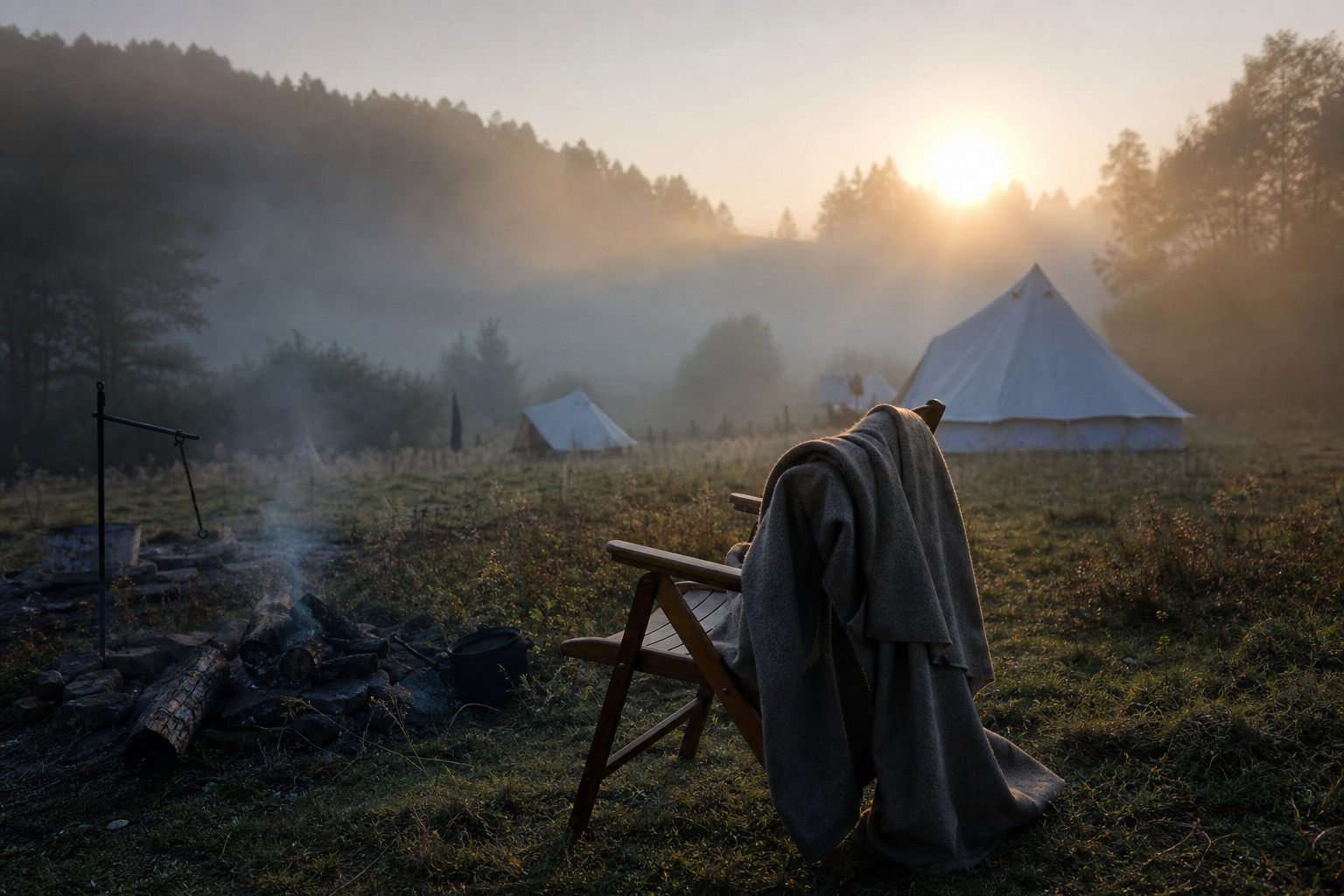
Trading traditional wilderness camping for a Renaissance faire weekend replaces isolated trail nights with structured outdoor history events for women, offering on-site tent villages, artisan workshops, and active swordplay lessons across thirty-acre festival grounds.
Woodsmoke layers over a canvas tent city at dusk while women in plate armor stride toward communal fire pits. Here is why swapping your nylon sleeping bag for a reserved campsite on the tournament grounds elevates the standard outdoor trip.
1. Your Costume Is Your Superpower
Constructing historical garments requires balancing visual impact with all-day outdoor performance across unpredictable temperature shifts.
Pack breathable base layers under your chemises and lace up period footwear you have already spent weeks breaking in. Carrying a heavy wool cloak will also block the damp morning chill at the campsite while remaining authentic to the era.
Many attendees eventually graduate beyond foundational fabric garments to incorporate rigid structural elements. For pieces like steel bracers or articulated pauldrons, serious costumers can turn to dedicated collections of versatile medieval armor from Medieval Collectibles to complete their look.
Layering these functional protective plates over a simple linen dress transforms a basic outfit into a customized character statement.
2. You Actually Get to Camp

Major venues like the Texas Renaissance Festival and the Ohio Renaissance Festival operate dedicated camping zones featuring sprawling tent villages and enormous communal fire pits.
Instead of pitching a tent in a generic state park populated by strangers in modern hiking gear, you wake up embedded inside a living medieval settlement.
Permanent food vendors and reliable sanitation facilities immediately replace complicated backcountry meal logistics. A rigid daily schedule of tournaments then eliminates the familiar problem of wondering how to fill the afternoon hours.
| Key Insight: Camping at a renaissance faire means waking in a living medieval settlement with real privies, food courts, and a ready-made schedule, no backcountry guesswork needed. |
3. The Community You Will Find

These sprawling festivals draw a dense concentration of female archers, textile artists, and historical storytellers. Engaging directly with dedicated guilds and sewing circles turns a standard weekend trip into a highly interactive outdoor history event.
The physical layout of the campground naturally forces social connection rather than isolation since group campsites position dozens of tents around shared fire pits. This guarantees that communal campfire conversations happen spontaneously every evening without requiring formal planning.
While solo wilderness camping often breeds isolation, setting up at a festival plugs you directly into an established tribe before you even finish unpacking your vehicle.
4. The Physical Challenge Is Real

Trading a hiking trail for a festival path still requires significant physical exertion and stamina. Attendees actively participate in heavy archery workshops that test upper-body draw weight and grip proper stances during beginner longsword lessons.
This surge in historical sports reflects broader demographic shifts, as 5.8 million women actively participate in archery programs nationwide.
The sheer scale of the environment also demands significant daily endurance from every guest. Major festival grounds span twenty to thirty-five acres, so a full schedule of shopping and watching matches routinely pushes attendees to log eight to twelve miles of walking per day.
| Pro Tip: To conquer daily festival mileage of 8-12 miles, wear broken-in leather shoes, use moisture-wicking base layers, and pace your activities between jousting stands and artisan shops. |
5. History Is a Better Trail Guide
Expert craftspeople host daily mini-masterclasses covering functional blacksmithing, complex glassblowing, drop-spindle textile work, and open-hearth period cooking.
This hands-on medieval festival adventure echoes the appeal of learning wilderness survival skills while layering on a rich narrative context.
You can watch a blacksmith turn raw iron into a functional hook or see a weaver spin raw wool into tight yarn right at their booths. Interacting directly with practitioners who keep historical trades alive means you exit the festival gates carrying specific mechanical knowledge rather than just digital trail photos.
6. The Food Elevates Camp Cooking

Vendors serve massive turkey legs roasted over open flames, pour honey mead from heavy ceramic flagons, and ladle hearty meat stews directly from cast-iron cauldrons. Savvy attendees maximize their budgets by blending these purchased meals with self-catered cast-iron cooking back at the campsite.
Frying eggs and bacon over your communal fire pit in the morning before buying a hearth-baked bread bowl for lunch respects your daily budget. This approach keeps you fed and energized just steps away from the jousting arena.
7. Escapism the Forest Cannot Deliver
The festival grounds run on immersive storytelling, where dedicated character actors execute scripted historical storylines that thread continuously through the vendor tents and pathways.
The heavy rolling drums, the lingering scent of woodsmoke, and the visual impact of costumed women striding through the trees create a tangible world you can actually step inside. These detailed outdoor adventure weekends run continuously from spring through autumn.
| Quote: The festival transforms a woodland walk into a story you live: rolling drums, woodsmoke, and costumed characters thread a world that’s more vivid than any app or empty trail. |
Now It’s Your Turn
Search your region for venues that explicitly offer on-site tent access, secure those weekend passes months in advance, and withdraw plenty of physical cash for artisan vendors operating in the woods.
Assemble your layered fabric costuming well ahead of the event to test its breathability. You must also vigorously break in your leather footwear to prevent crippling blisters during heavy walking days.
If you incorporate rigid armour pieces into your look as decorative or functional centerpieces, test their weight and strapping at home before committing to them for a ten-hour outdoor shift.
Treat your water intake with the same seriousness you would apply to a harsh summer day hike. Treating this fully planned trip as a trial run helps iron out camping logistics so you can focus entirely on the historical immersion.
Your thoughts on Renaissance Faire Weekends?
Please share your past experiences or thoughts on this type of fun escape in the comments below.

Krystal Reed
I am Krystal Reed, a link building and outreach expert. I share simple and smart link-building tips to help brands grow their SEO and boost online visibility. No fluff, just results.


Leave a Reply