
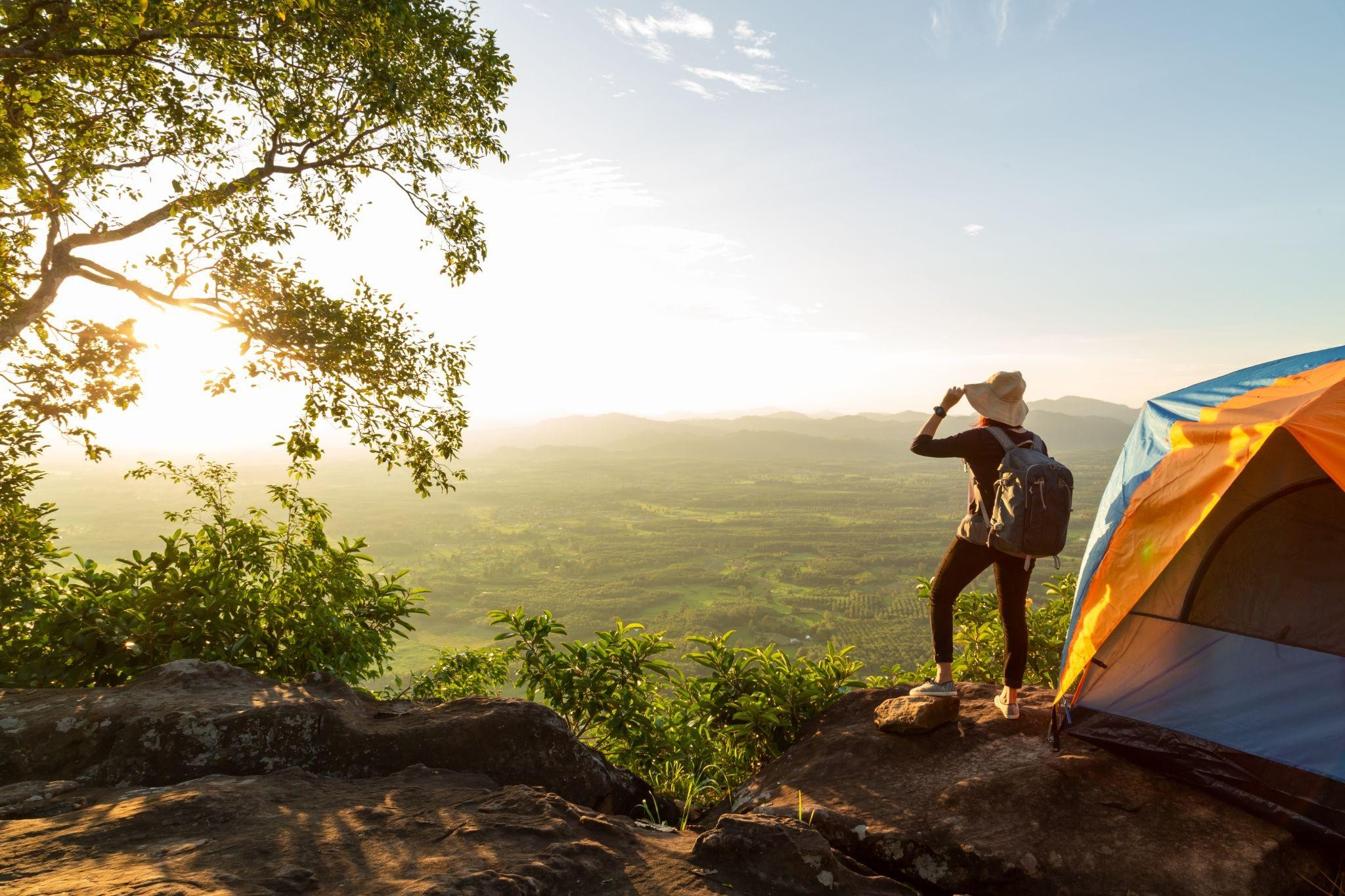

Picture stepping out of your tent as dawn light filters through towering pines. Instead of racing to hit the next trailhead, you pause to note the dew on wildflowers, chat with a park ranger, or simply breathe in the quiet. This is slow travel camping, a chance to trade packed checklists for presence and crowded routes for meaningful moments.
In this article, discover how slow travel camping helps women:
• Lower stress and build confidence through unhurried days of solo female camping
• Connect with local communities and natural rhythms while camping for women
• Plan a flexible itinerary that balances adventure and rest
• Choose gear and safety tools tailored for camping alone female travelers
• Practice mindful activities and eco-friendly habits
Whether you are new to camping or an experienced solo camping woman, you will find practical tips to design an outdoor getaway that feels both safe and liberating. Ready to leave the fast pace behind and immerse yourself in nature? Let’s begin by exploring what slow travel camping really means.
Embracing Slow Travel Camping
What Is Slow Travel Camping?
Slow travel camping blends the slow travel philosophy with traditional camping. It focuses on immersion rather than speed. Instead of hopping between multiple sites, you reserve more time at one location. This approach encourages observation of seasonal changes, interactions with locals, and greater awareness of your surroundings.
Slow travel camping appeals to women camping alone and female camping travelers who want to slow down. It invites campers to dive deep into one place, build community ties, and notice details often missed on fast-paced trips.
How It Differs from Fast-Paced Trips
Fast-paced camping often follows tight schedules and packed itineraries. Slow travel camping replaces rigid planning with flexible rhythms. Spend mornings birdwatching, afternoons journaling, and evenings stargazing. By scaling back your agenda, you open space for spontaneous exploration and genuine rest.
This slower pace supports solo female camping, letting you savor moments rather than rush through landmarks.
Benefits for Women Campers
• Stress Reduction: A slower pace reduces anxiety by removing strict checklists during camping for women.
• Self-Discovery: Extended time outdoors in a woman camping alone context builds confidence and resilience.
• Sustainability: Staying longer at one spot cuts down on transportation impacts.
• Local Connection: More opportunities to meet park staff and community members.
• Mindful Well-Being: Enhanced presence sharpens observation and calm.
A Mindful Outdoor Experience
Embracing slow travel camping invites women camping alone to engage all senses. Cooking over a fire, exploring hidden trails, and tuning into natural sounds foster a lasting bond with nature. This unrushed journey nurtures mental well-being and empowers female campers to savor every moment, turning each day into a meaningful adventure.

Planning Your Slow Travel Camping Trip
Embarking on a slow travel camping trip for women, including solo female camping adventures, begins with thoughtful planning.
This section covers how to choose a fitting destination, streamline your daily plan, and secure accommodations and permits for a calm, worry-free adventure.
Choosing the Right Destination
Pick a region that matches your pace and solo camping style. Seek parks or public lands with:
• Easy access trails and water sources
• Nearby local culture or small towns
• Campgrounds that allow longer stays
Consider shoulder seasons to avoid crowds. Research weather patterns and trail conditions in advance. Use maps to gauge daily mileage and elevation gain for a camping alone female comfort level.
Simplifying Your Itinerary
A minimal schedule fuels relaxation and discovery:
1. Identify key experiences: sunrise viewpoints, waterfall hikes, stargazing spots.
2. Alternate active days with rest or local exploration.
3. Allow buffer days for weather changes or spontaneous side trips.
Use a flexible framework instead of a timed checklist. Jot down activity options rather than fixed hours. This approach keeps your pace gentle and responsive to the moment, true to the slow travel spirit.
Booking Accommodations & Permits
Frontcountry and Backcountry Permits
• Check federal and state park websites for permit policies.
• Apply for popular areas 3 to 6 months ahead.
Reservation Platforms
• Recreation.gov covers many national sites.
• State park systems often use ReserveAmerica or local portals.
Always confirm cancellation rules and permit pick-up procedures. If you plan dispersed camping, verify land-use regulations and fire restrictions. Prepaid reservations and digital permits save time and reduce stress once you hit the trail.
Whether you are planning a women’s camping retreat or a solo getaway, these planning steps apply.
Essential Gear & Packing Tips for Women Camping Alone

When selecting gear, prioritize versatile clothing that adapts to changing weather and activity levels.
Safety & Communication Devices
Share your planned location and expected return time with someone you trust. Plan for no service by downloading offline maps and carrier reception data. Key devices include:
• Garmin InReach Mini 2: two-way text, GPS sharing, weather updates, SOS alerts; plans from $11/mo
• Personal Locator Beacon (PLB): reliable rescue signal, with rental options if needed
• Extra batteries or portable solar charger: keep devices charged on longer trips
• Site feedback: research recreation.gov, iOverlander, and Campendium for road access, crowd levels, wildlife reports, and cell reception
These essentials enhance solo female camping safety and keep communication lines open.
Shelter & Sleep System
A restful night starts with quality gear:
• Ultralight sleeping mat: supportive without bulk
• Women’s-rated insulated bag: retains warmth and contours to a female frame
• Compact pillow or inflatable neck rest: small pack size, big comfort
This setup helps women camping alone rest well after each day’s activities.
Food, Cooking & Water Management
Efficient meal prep and hydration:
• Lightweight gas stove: fast boil times, small footprint
• Nesting cookware set: pots, pans, anda spork stack together to save space
• Water filter pump: purifies natural sources without carrying heavy jugs
These items support a smooth camping experience for women, whether you camp alone or join a group.

Women-Specific Comfort & Gear Hacks
Small additions boost comfort and confidence:
• Moisture-wicking underwear and base layers to stay dry
• Compression socks to reduce swelling
• Reusable menstrual cup: lighter and less waste than disposables
• Anti-chafe balm: apply to thighs and feet before hiking
• Personal items: a favorite book, journal, or calming playlist, skip true-crime to avoid extra stress
Start on a well-traveled trail or developed campground to test gear and build confidence before venturing off-grid.
Safety Strategies & Communication
Route Tracking & Check-ins
Before you depart, share a rough itinerary with a trusted contact. Agree on check-in times, every 4 to 6 hours, and update your status. Enable live phone location sharing so someone can follow your route in real time.
Consider sharing a GPS breadcrumb file for detailed tracking. Download offline maps in advance to navigate areas without service. These tips for solo camping will keep you connected, even when you are off the grid.
Satellite Devices & Offline Tools
Keep reliable tech on hand for communication beyond cell coverage:
• Garmin inReach Mini: two-way messaging, GPS tracking, and SOS alerts
• Personal Locator Beacon: single-purpose emergency signal requiring no subscription
• Portable solar charger: maintain battery power off-grid
• Offline map apps: preload topographic data and trail overlays
Sync your satellite device with a contact’s phone for automatic status reports and location pings when you check in. This system supports solo female camping safety.
Trusting Your Instincts & Boundary Setting
Acknowledge discomfort and trust your gut. Name specific fears, whether wildlife, isolation, or strangers, and address them directly. To deter unwanted attention, set out two camp chairs or hang an extra towel to imply company.
Park so you can drive away easily. Keep doors locked at night, seats turned forward, and keys within reach. If something feels off, do not hesitate to leave and find a safer spot.

Immersive Slow Travel Experiences in Nature
Mindful Morning Rituals
Start each day by stepping outside at sunrise. Use guided meditation or gentle yoga to awaken body and mind. These simple rituals help solo camping women tune into nature’s rhythms.
Forest Bathing Moments
Ground your senses by observing dew on leaves and inhaling fresh air. Limit phone use to one quick safety check, then switch to airplane mode. Spend five minutes noting three things you feel grateful for as light filters through the canopy.
Nature Journaling & Photography
Capture reflections and sketches in a travel journal. Note plant names, bird songs, and changing light. Practice slow photography: pause before you press the shutter, frame your subject, and experiment with low-light settings at dawn or dusk.
Slow Cooking & Wild Foraging Basics
Build simple campfire meals that honor local ingredients. Try one-pot stews in a Dutch oven or seasoned foil-packet dinners. Learn to identify common edibles like cattail shoots or berry bushes.
Follow sustainable foraging: harvest small samples, leave plants intact, and always check local regulations. These practices enrich a camping for women experience and deepen your connection to the landscape.
Connecting with Local Women’s Outdoor Communities
Seek all-women hiking or backpacking groups through social media, visitor centers, or meetup platforms. Join a sunrise yoga circle or a foraging workshop led by women outdoors.
Sharing personal stories around the campfire strengthens bonds and builds lasting confidence among women camping alone.

Sustainable & Mindful Camping Practices
Adopting eco-friendly and mindful habits on a slow travel camping trip ensures a lighter footprint and a deeper connection with nature. Prioritize biodegradable products, respectful campsite etiquette, and balanced tech use to enhance your slow travel experience.
Leave No Trace & Eco-Friendly Toiletries
Follow Leave No Trace principles: plan ahead, stick to durable surfaces, and pack out all waste. Opt for solid soap bars, toothpaste tablets, and refillable containers to reduce single-use plastic.
Campsite Respect & Wildlife Awareness
Keep campsites tidy and unchanged. Store food securely in bear canisters or hang bags away from tents. Observe wildlife from a distance and avoid feeding animals.
Low voices and gentle movements help protect habitats and prevent stress to local fauna.
Digital Detox & Mindful Tech Use
Set clear time blocks for phone use and switch to airplane mode between sessions. Use devices for essential navigation and emergency checks only.
Consider a satellite messenger with two-way texting to stay safe. Embrace screen-free hours for journaling, stargazing, or quiet reflection.
Conclusion
Slow travel camping offers women a chance to leave rigid schedules behind and connect with nature at a human pace.
Whether you are camping for women’s retreats or exploring solo, slow travel camping delivers lasting memories.
Key takeaways:
• Plan a flexible itinerary that balances adventure and rest, with buffer days for weather or side trips
• Invest in safety and communication tools, satellite messengers, PLBs,and offline maps, to stay secure off the grid
• Pack gear that prioritizes comfort and efficiency, from women’s-rated sleep systems to eco-friendly toiletries
• Cultivate mindful rituals like forest bathing, journaling, and slow cooking to deepen your engagement with the outdoors
• Follow Leave No Trace principles and respectful wildlife practices to protect the places you love
By slowing your pace, you invite spontaneous discoveries, genuine community connections, and a lasting bond with the land.
Your next slow travel camping trip is waiting, so step outside and let each moment unfold.
Your thoughts?
While outdoors, do you embrace slow travel camping as much as possible? Does this enhance your experience in nature? Are there any other tips you would add for readers? Please share your experiences and thoughts below.

Ellie Williams
Ellie Williams studied at Miami State University and majored in Marketing with a minor in creative writing. She enjoys doing freelance writing on general business, wellness, and lifestyle tips. During her free time, she enjoys catching up with friends and family or attending local events.


Leave a Reply