
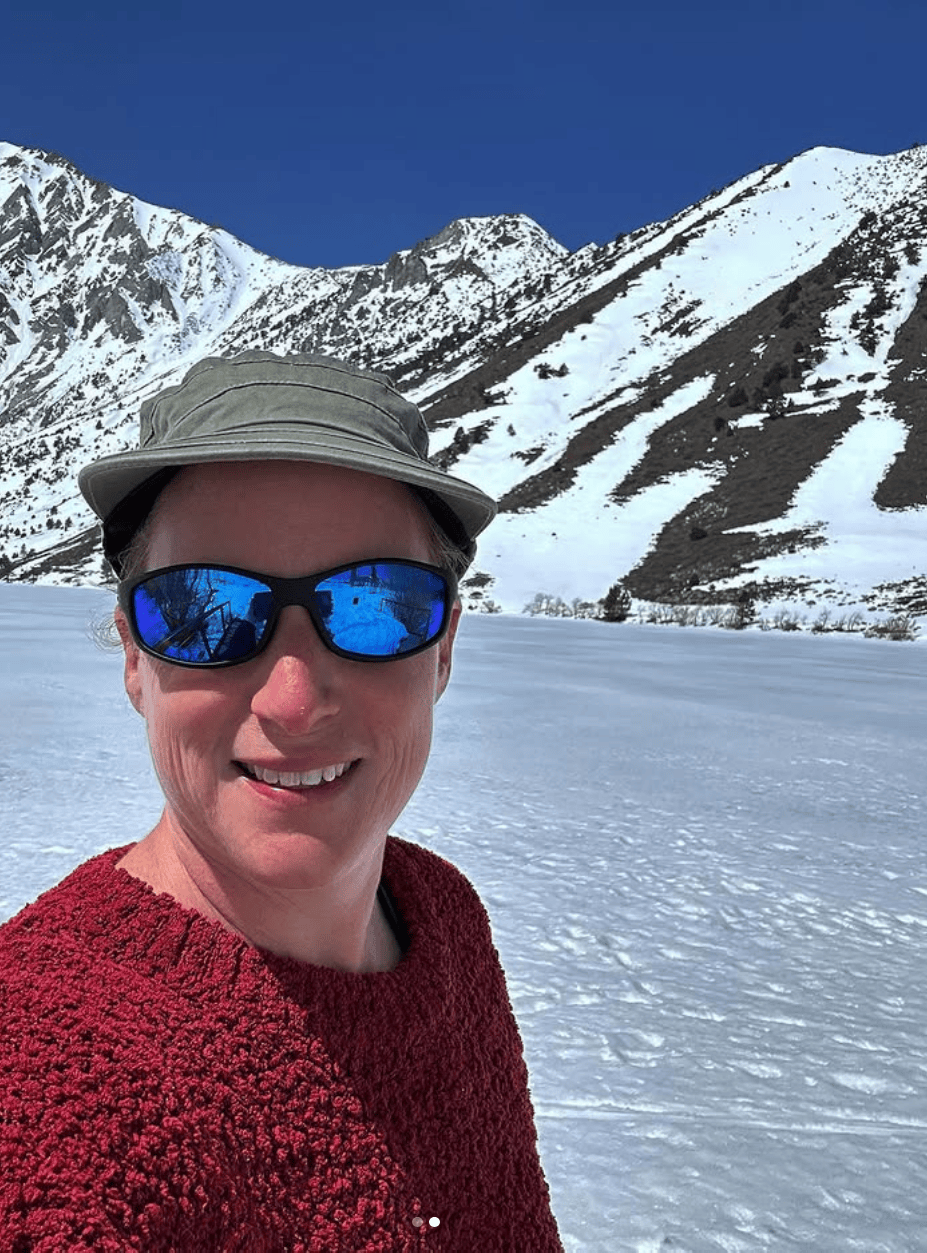
For many women, the idea of taking a solo road trip or camping adventure sounds equally thrilling and intimidating. The freedom of the open road, the stillness of nature, the sense of self-reliance—it’s magical. But let’s be honest: there’s also fear. Fear of breaking down in the middle of nowhere. Fear of wildlife. Fear of being alone. Fear of not being safe. Can you actually overcome fear of solo trips?
The good news? These fears are valid—and manageable. With the right mindset, thoughtful preparation, and a few simple tools, you can turn fear into confidence. This guide is for any woman who dreams of hitting the road and sleeping under the stars—but feels hesitant about doing it alone.
Facing the Fear: You’re Not Weird for Being Nervous
Despite what social media might make you believe, most adventurous women didn’t start out fearless. The truth is, many of us felt overwhelmed the first time we set out on our own.
Some of the most common fears I hear from women (and that I’ve had myself) include:
- Getting lost
- Car trouble in remote areas
- Wildlife encounters
- Uncomfortable encounters with strangers
- Accidents or medical emergencies
- Fear of being alone at night
Naming these fears is the first step in taking away their power. Let’s go through them one by one—and replace anxiety with preparation.

“What If My Car Breaks Down?”
This is a very common fear—and one that’s happened to me. I was just starting a six-day solo road trip I had dreamed about for months when a freak accident stopped me in my tracks. It was frustrating, emotional, and, at the time, scary. But I got through it—and now I plan differently.
Here’s what helps:
- Get your car serviced before any long trip (fluids, tires, brakes, battery).
- Carry basic tools: jumper cables, a tire repair kit, and a portable air compressor.
- Sign up for roadside assistance (AAA, insurance, or manufacturer programs).
- Download offline maps and keep a printed version as backup.
- Carry extra water and snacks in case you get stuck waiting.
After that breakdown, I now build buffer time into my trips and always have a Plan B. It hasn’t stopped me from road-tripping—it’s just made me better at it.
Wildlife Worries: What If Something Shows Up?
Sleeping in places where wild animals roam can feel unsettling. But the reality is that most wildlife wants nothing to do with you.
What helps?
- Learn what animals live in the region and how to avoid attracting them.
- Store food properly using bear boxes, canisters, or scent-proof bags.
- Avoid camping near water sources or berry patches.
- Keep bear spray or a loud whistle accessible.
- If car camping, keep doors locked and consider a motion sensor light outside your vehicle for peace of mind.
Personally, I love sleeping in the back of my SUV. It’s cozy, secure, and lets me camp in more remote spots without worrying about tents or critters.

Getting Lost: The Fear You Can Outsmart
Whether it’s taking the wrong forest road or losing the trail on a hike, the fear of getting lost is real—but beatable.
Try this:
- Use navigation apps like Gaia GPS or AllTrails, and download maps offline.
- Learn to recognize landmarks and follow trail blazes.
- Share your trip plans with a friend and set check-in times.
- Stick to well-trafficked routes or campgrounds on your first few trips.
Even if you don’t consider yourself “techy,” having a paper map and compass can be a powerful confidence booster.
Safety Around Strangers: Trusting Yourself
This fear is deeply personal—and valid. We’ve been taught to be cautious, especially when alone. But here’s a reframe: your intuition is a strength. Trust it. It’s a compass honed by generations of women before you.
What Helps:
- Choose public campgrounds or dispersed areas where you’re not completely isolated.
- Park with an exit route—don’t let yourself get boxed in.
- Use privacy window covers and don’t advertise that you’re solo.
- Keep safety tools close: a whistle, personal alarm, pepper spray, or GPS beacon like the Garmin inReach Mini.
- Lie if needed. You don’t owe anyone the truth about your plans or if you’re alone.
I’ve packed up and left when something didn’t feel right—and never regretted it. Most people I’ve met while camping or on the road have been kind and respectful, but I never ignore that inner signal.
Want more tips on dealing with creepy encounters while camping or road tripping alone? Check out my Guide.

Injuries and Emergencies: What If I Get Hurt?
This is one of those fears that feels big, but is easily reduced with preparation.
Tips to stay safe:
- Bring a basic first aid kit and familiarize yourself with what’s inside.
- Take a wilderness or roadside safety course—it’s empowering and practical.
- Don’t push yourself past your limits in remote areas.
- Carry essentials: a flashlight, knife, backup charger, emergency blanket, and extra food and water.
- Have a way to call for help: cell signal booster, satellite communicator. You can even call 911 on a smartphone when it has no active service.
A pre-trip checklist can go a long way in making sure you’re set up for success—and peace of mind.
The Confidence Mindset: You Don’t Need to Be Fearless
The biggest shift in solo travel and camping isn’t gear—it’s mindset. You don’t have to be 100% confident. You just have to be willing.
Build your courage with small steps:
- Do a one-night trip close to home to test your setup.
- Keep a journal to track your growth and reflect on challenges you’ve overcome.
- Celebrate the little wins: finding the perfect boondocking spot, fixing a minor car issue solo.
- Don’t internalize criticism or skepticism from others. This is your journey. Many, even close loved ones, will not understand why you want to travel or camp alone.
Each trip builds your resilience, self-trust, and independence.

A Personal Note
I’ll never forget my first night solo camping in the beautiful Eastern Sierra of California. I had spent years watching women on YouTube take solo road trips and sleep under the stars, and I couldn’t wait to experience it for myself. But as the date got closer, doubt started creeping in: What if I get too cold? What if someone knocks on my car window? What if I break down?
None of those things happened—at least not on that trip. Instead, I discovered something incredible: I loved it. The solitude, the quiet, the sense of capability—it unlocked a new version of me. I’ve been chasing that feeling ever since. And even when things have gone wrong on other trips, I now know I can handle it.
Final Thoughts
Solo road tripping and camping aren’t about being fearless—they’re about moving forward anyway. They’re about preparing, listening to your gut, and discovering just how capable you really are.
If you’ve been hesitating, I hope this nudges you closer. The road is calling—and you can answer it. You’re not alone in your fears. But you are more ready than you think.
And once you go… mark my words: you’ll wonder why you waited so long!

Have you overcome fear of solo trips?
Does the above resonate with your past experience of taking solo trips? Or perhaps you like the idea of heading out on your own but haven’t quite committed to doing this yet. Please share your thoughts and ideas to overcome fear of solo trips in the comments below.

Alejandra Iorgulescu
Alejandra, known as “Alex” to most in the U.S., was born and raised in Buenos Aires, Argentina. Her love of travel was sparked during childhood road trips from Buenos Aires to Patagonia, but it truly took root after a solo trip through Europe in 2001. In 2002, she moved to California, drawn by its climate and stunning natural diversity—from beaches to mountains and deserts—all within a few hours’ reach.
Her YouTube channel and website, Miles and Hikes, were born during a solo cross-country road trip and reflects her passion for road travel, camping and hiking. Alex built the channel from scratch while juggling a demanding tech career. Through her content, she shares outdoor adventures, travel tips, and the joy of finding creative freedom in the great outdoors.




Leave a Reply