
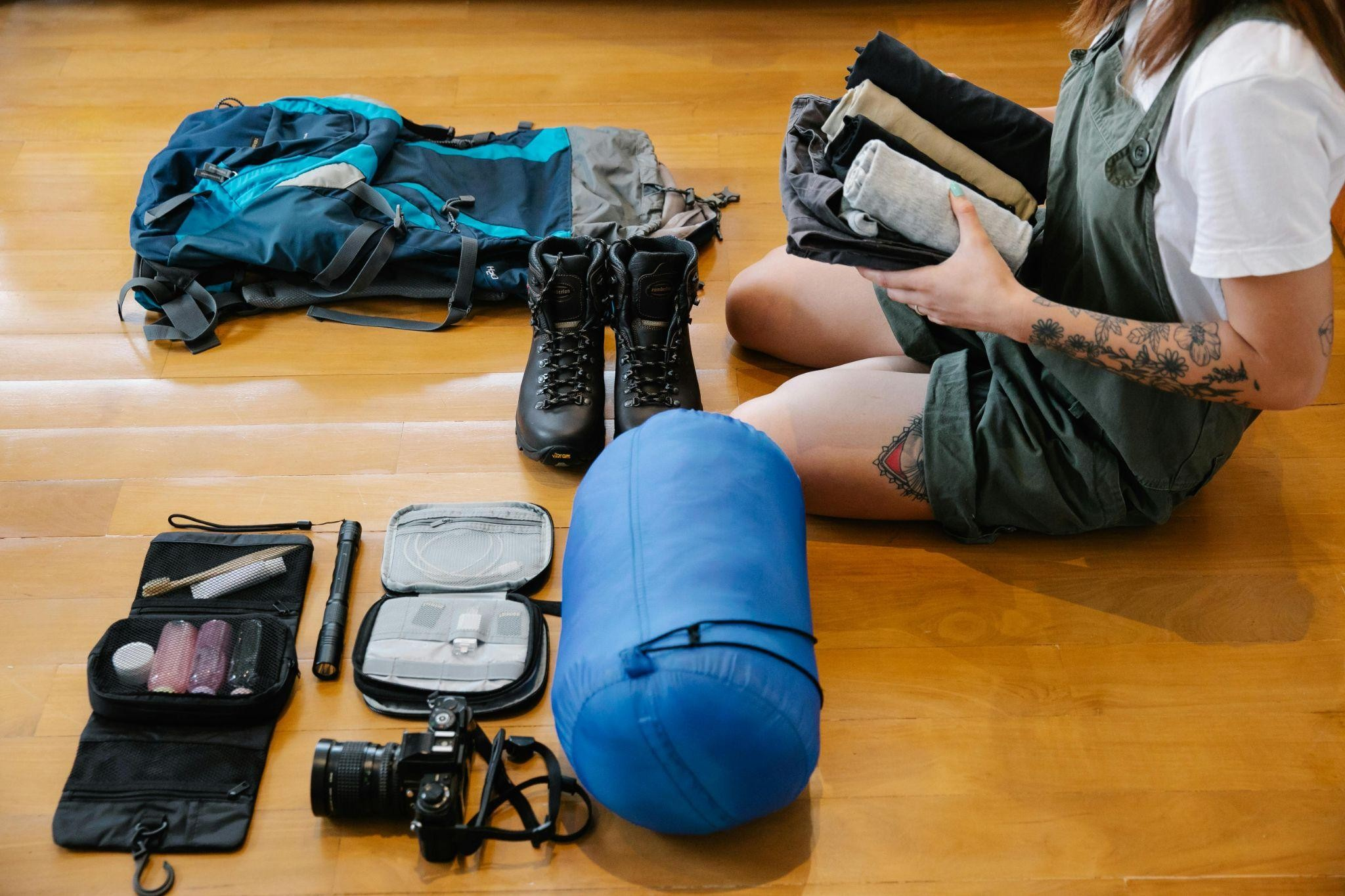

Exploring the outdoors is one of the most rewarding experiences, but it also comes with challenges. Whether you’re hiking in the mountains, camping by a river, or simply taking a day trip into the wilderness, safety should always come first. One of the most overlooked aspects of outdoor safety isn’t just knowledge or preparation—it’s the gear you choose.
Having the right equipment can mean the difference between a memorable adventure and a risky situation. From footwear to first-aid essentials, quality gear plays a crucial role in protecting you and enhancing your overall experience.
Why Quality Gear Matters
When you’re outdoors, your environment is unpredictable. Weather conditions can change quickly, terrain can be rough, and emergencies can arise when you least expect them. Poor-quality gear often fails when you need it most, leaving you vulnerable.
According to the Outdoor Industry Association, over 50% of outdoor participants report safety as their top concern when choosing equipment. This shows that safety isn’t just about skill—it’s about making smart gear choices.
Footwear: The Foundation of Safety

Your feet carry you through every adventure, which makes footwear one of the most important investments for outdoor safety. Blisters, sprains, or sore feet can quickly turn a trip into a painful ordeal. That’s why hikers, campers, and survivalists alike prioritize boots that are built to last.
For rugged conditions, black tactical boots are a popular choice. Designed for durability and support, they provide traction on uneven ground, ankle protection against twists, and comfort for long treks. Unlike casual sneakers, tactical boots are made to handle mud, water, rocks, and anything else nature throws your way.
Clothing as Protection
Clothing isn’t just about staying warm, it’s about protection. Quality outdoor apparel is designed to be breathable, moisture-wicking, and resistant to the elements. From UV-protective shirts to waterproof jackets, the right clothing shields you from sunburn, hypothermia, and even insect bites.
Layering is another essential strategy. Base layers regulate temperature, mid-layers provide insulation, and outer layers block wind and rain. Each plays a role in keeping you safe and comfortable, no matter the conditions.

Getting lost is one of the most serious risks in the wilderness. While smartphones and GPS devices are useful, they’re not infallible—batteries die, signals drop, and technology can fail. That’s why traditional navigation tools like compasses and paper maps are still essential.
Quality navigation gear ensures that even if modern devices fail, you still have a way to find your bearings and make it back safely.
Safety Gear Checklist
To stay prepared, here are some key items that should be part of any outdoor safety kit:
- Durable footwear like tactical boots.
- Weather-appropriate layered clothing.
- A well-stocked first-aid kit with skin-care essentials.
- Reliable navigation tools (GPS, compass, maps).
- Hydration systems such as water bottles or filters.
- Emergency shelter (tent, bivvy, or tarp).
- Multi-tools or knives for survival needs.
- Headlamps or flashlights with spare batteries.
Having these essentials ensures you’re ready for both planned activities and unexpected challenges.
First Aid and Skin Care Essentials
Even with the best planning, minor injuries and skin issues are common outdoors. Carrying a reliable first-aid kit is non-negotiable. Beyond bandages and antiseptics, skin protection should be a priority too.
Exposure to the elements can cause irritation, rashes, or flare-ups. For those with sensitive skin, it’s wise to pack treatments that prevent discomfort. For example, if you have eczema, it’s important to apply eczema cream as needed to manage flare-ups and keep your skin comfortable on the trail.
The Link Between Comfort and Safety
Comfort and safety often go hand in hand outdoors. If you’re uncomfortable, you’re more likely to make mistakes, rush decisions, or push your limits unnecessarily. Quality gear minimizes discomfort, allowing you to focus on your surroundings and make safer choices.
For example, boots that prevent blisters reduce the chance of you limping or stumbling on uneven terrain. Breathable clothing keeps you cool, preventing heat exhaustion. And a properly packed first-aid kit ensures small injuries don’t escalate into bigger problems.
Investing in the Right Gear
While high-quality gear can be more expensive upfront, it’s often more cost-effective in the long run. Cheaper equipment tends to wear out faster, meaning you’ll end up replacing it more often. More importantly, it may not perform when you need it most, putting your safety at risk.
Think of outdoor gear as an investment in peace of mind. The durability, comfort, and protection it provides are worth far more than the short-term savings of buying budget items.
Final Thoughts
The outdoors offers endless opportunities for adventure, but safety should always be the priority. Quality gear, whether it’s reliable footwear, protective clothing, or a first-aid kit, plays a vital role in ensuring you return home with great memories instead of regrets.
By investing in the right equipment and preparing for the unexpected, you can enjoy nature confidently, knowing you’ve taken the steps to protect yourself.

Kathleen Nialla
Kathleen Nialla is a curious explorer who finds joy in the simplicity and wonder of the outdoors. Whether it’s pitching a tent under the stars, wandering unfamiliar trails, or just slowing down in nature, she’s passionate about experiences that reconnect us to ourselves and the world around us. Kathleen enjoys sharing practical tips and reflections that encourage more women to feel confident, prepared, and inspired to get outside no matter where they’re starting from.


Leave a Reply